Being told to keep preeclampsia in mind during your pregnancy can bring a particular weight to mealtimes. You might find yourself scanning ingredient labels, wondering whether the tiredness or the slight swelling in your fingers means you should be eating differently, or feeling unsure about what preeclampsia diet nutrition guidance actually looks like day to day. The first thing worth knowing is that preeclampsia is a complex condition shaped by genetic, clinical, and environmental factors, and it is not simply down to what you eat. Food matters for your general pregnancy wellbeing, and there are evidence-informed choices worth knowing about, though what is on your plate does not decide whether preeclampsia develops.4
Salt, fluids, and what the evidence says
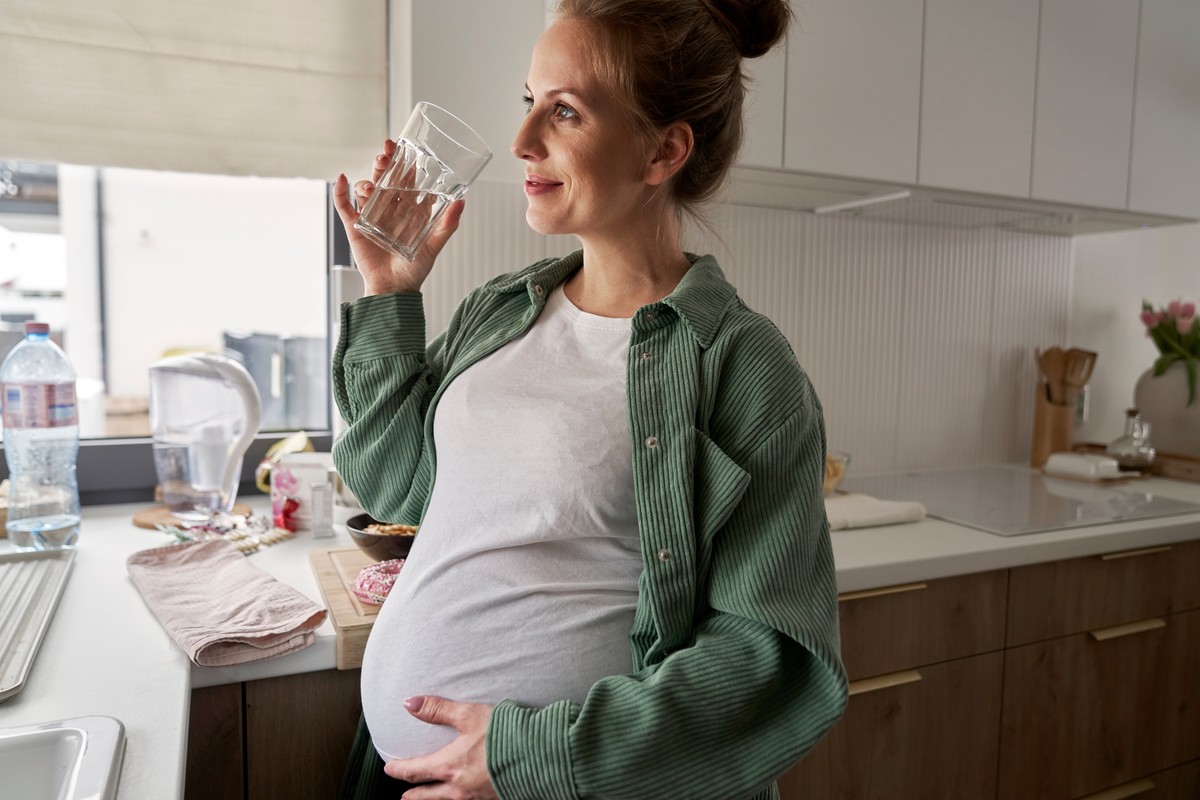
One of the most common instincts when blood pressure comes up is to cut salt out entirely. The evidence does not back severely restricting salt during pregnancy to prevent or manage preeclampsia. Cutting back too drastically can throw off your fluid balance in ways that may do harm. The general guidance for adults, including during pregnancy, is to keep daily salt to no more than 6g, roughly one teaspoon. That is a reasonable, moderate target rather than a sign to strip salt from your meals. If you are unsure how your salt intake sits for your situation, your midwife or GP is the right person to ask.5
Eating patterns and preeclampsia awareness
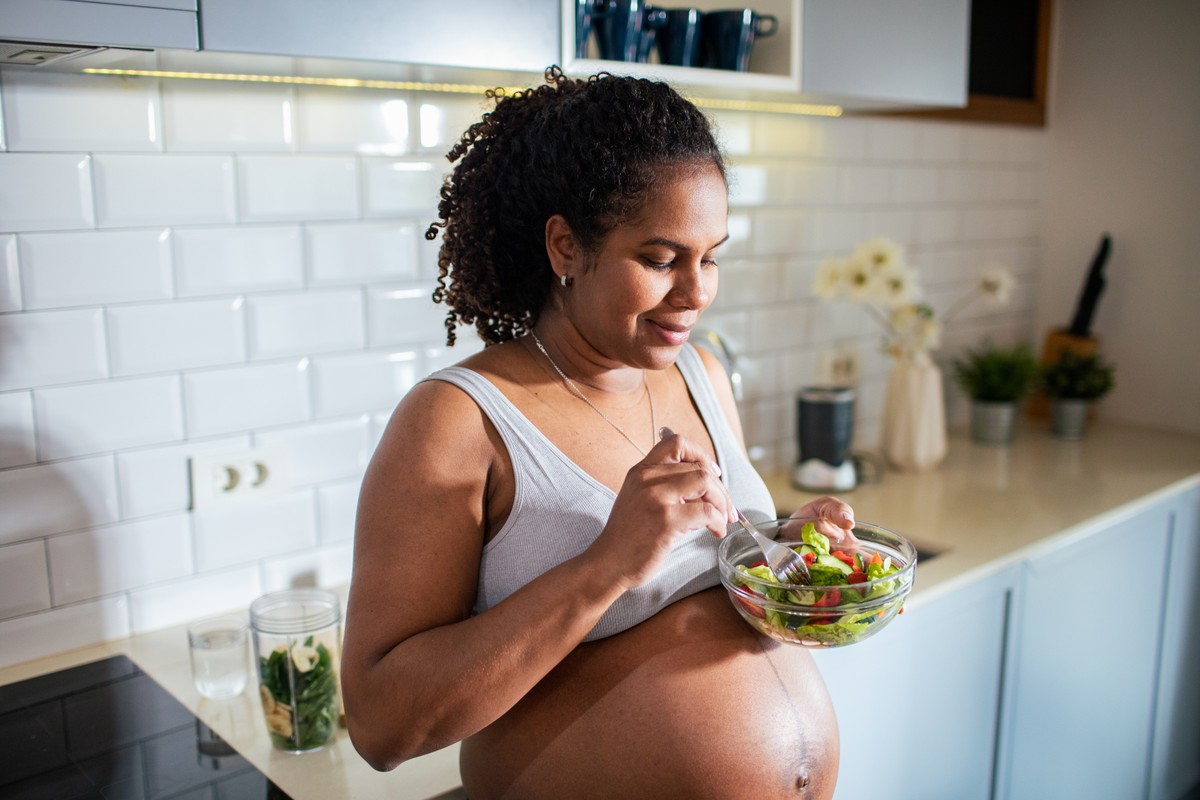
Your overall eating pattern matters more than any single food. Meals built around fruit, vegetables, wholegrains, lean protein, and fish line up with the varied, balanced eating that general pregnancy guidance already recommends. It is a grounding place to start when you are thinking about preeclampsia diet nutrition without wanting to overhaul everything at once.6
On the other side of that picture, eating built heavily around ultra-processed foods and added sugars is worth being mindful of during pregnancy generally. Limiting free sugars and heavily processed foods is already part of healthy eating in pregnancy, and that holds here too. The aim is to support the kind of varied, whole-food-based eating that benefits you and your baby, whatever your preeclampsia risk.1
Supplements during pregnancy and what is recommended in the UK
In the UK, you are advised to take a daily 10 microgram vitamin D supplement throughout pregnancy. Taking the recommended daily vitamin D is straightforward, standard pregnancy guidance.2
It is worth knowing that current evidence does not back routine high-dose supplements of vitamins C, E, magnesium, or fish oils as a way to lower preeclampsia risk. These are not recommended for prevention. If you have seen them suggested online or in forums, it is worth raising them with your midwife or GP before adding anything to your routine. More is not always better with supplements in pregnancy, and individual advice matters.7
Aspirin as a clinical preventative measure
Separate from nutrition, there is a key clinical point worth mentioning. If you have one high-risk factor, or more than one moderate-risk factor for preeclampsia, clinical guidance advises a daily low-dose aspirin (150mg) from 12 weeks of pregnancy. This is a medicine, not a dietary measure, and it should only be taken on the advice of a healthcare professional. Aspirin is not right for everyone and is not safe for some. Your obstetric team or midwife will assess your individual risk and advise you directly. Do not begin taking aspirin during pregnancy without that conversation.3
Practical eating with preeclampsia in mind
The practical takeaway is that the eating pattern supporting your pregnancy wellbeing with preeclampsia awareness is broadly the same one already recommended across pregnancy: a varied diet with plenty of fruit and vegetables, wholegrains, and lean protein, keeping processed and high-sugar foods as occasional rather than everyday choices, and staying within a sensible range for salt without going to extremes either way.8
Preeclampsia has multiple causes that sit outside your control, and food choices alone do not cause or prevent it. What you can do is eat in a way that supports your body and your baby through pregnancy, and keep your antenatal team informed so they can monitor you and give you guidance suited to you.
When to seek urgent support
Preeclampsia can develop or worsen without obvious warning, which is why regular antenatal appointments and blood pressure checks matter. If you notice sudden swelling in your face, hands, or feet, a severe headache that will not shift, changes to your vision such as blurring or flashing lights, pain just below your ribs, or you feel generally unwell, seek urgent medical help. Call your maternity unit, contact NHS 111, or go to your nearest emergency department. Do not wait for your next scheduled appointment if any of these show up.