

A gestational diabetes diagnosis can change how your pregnancy feels overnight. You might feel anxious about what it means for your birth plan, thrown by unfamiliar numbers and new appointments, and sometimes guilty. The news can arrive by text or app, depending on your NHS trust, and the wait before you speak to a specialist team can feel unsettling. It helps to know from the start that most pregnancies with gestational diabetes, when managed well, end with a healthy baby.8
You do not need to have everything worked out straight away. Your care team will walk you through what happens next, and there is support around you, through your midwife, the specialist team, your partner, and the people close to you.1
What gestational diabetes actually is
During pregnancy, your placenta makes hormones that help your baby grow. Those same hormones partly block insulin, the hormone that moves glucose from your blood into your cells. This is a normal part of pregnancy, and your body does it to keep more glucose available for your baby. To balance it out, your pancreas usually makes extra insulin.9
Gestational diabetes, or GD, develops when there isn't enough extra insulin to keep pace with that block, so your blood glucose rises above its normal range. It is not a lifelong condition and usually settles after birth, though the weeks afterwards carry a few things worth understanding, which we cover below. GD affects 10-20% of pregnant women in the UK, and the numbers are rising.2
What a gestational diabetes diagnosis means for your pregnancy
With the right management, the risks that come with GD can drop significantly. The main focus is keeping your blood glucose within a target range through changes to what you eat and how you move. You may also need medication, either Metformin tablets or insulin injections, to get there. Both are stopped after birth, and any medication decisions are made with your clinical team. In the UK, Metformin in pregnancy is used off-label, so it is only prescribed after a specific conversation with your clinician and with your informed consent.10
If your blood glucose is not well controlled, a few complications become more likely: your baby growing larger than usual, which can affect delivery; an earlier birth; or your baby having low blood sugar shortly after they are born. This is why your care is more involved than a standard antenatal pathway. It gives you a well-supported framework to monitor and protect both of you.3
You will have more frequent antenatal appointments and extra ultrasound scans to track your baby's growth through the rest of your pregnancy.11
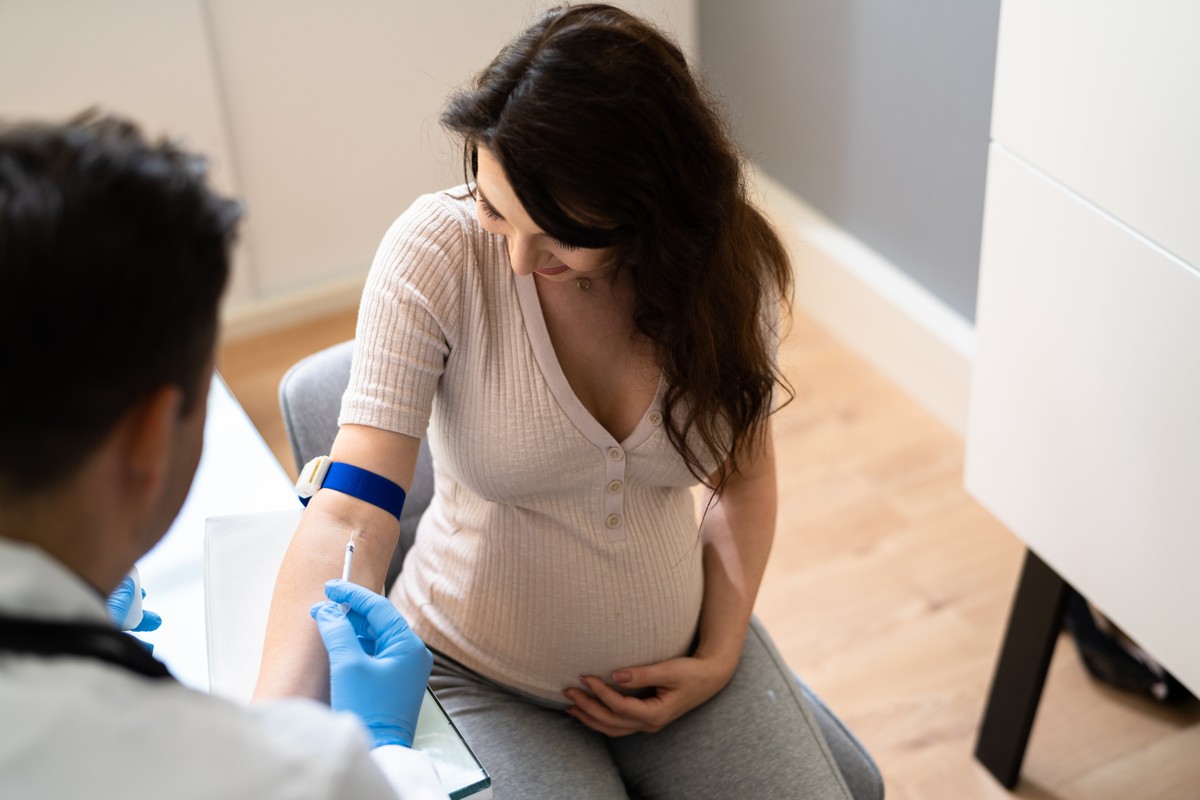
Your care team and what to monitor
After a GD diagnosis, you will be referred to a joint diabetes and antenatal team. This usually includes a diabetologist, an obstetrician, a specialist midwife or nurse, and a dietitian. You can expect to be seen within one to two weeks, though referral pathways vary by NHS trust. If you have not heard within that window, call your midwife.12
You will be given a blood glucose testing kit and shown how to use it. Home monitoring usually means testing first thing in the morning before you eat, which is your fasting reading, and again one hour after each main meal. Your care team will set your own targets, so follow their guidance rather than treating any general figures as fixed.4
The type 2 diabetes conversation
A GD diagnosis does raise your chance of developing type 2 diabetes later on. The risk is real and worth taking seriously, and it is also something you can take practical steps around.5
Lifestyle factors, including weight, diet, and regular movement, can meaningfully lower the chance of developing type 2 diabetes. They are areas where change, when it is possible for you, can make a difference. Your GP is the right person to talk this through with in the months after birth.7
Monitoring after your baby is born
Any glucose-lowering medication is stopped after birth, and your clinical team will confirm this and manage the change. GD usually settles once the placental hormones are gone, and a postnatal blood test is offered at 6 to 13 weeks to confirm your blood glucose has returned to a normal range. The type of test can vary, so your team will tell you which one applies to you.14
After that first postnatal check, annual screening for type 2 diabetes with your GP is recommended. Going to those yearly checks is one of the most straightforward ways to stay informed about your health in the years ahead.6